

Arrival guide · SIM vs eSIM · 2026 rules
Phú Quốc SIM Card & eSIM Guide 2026: What Actually Works
Before the flight, before the taxi app, before anything else — the first small decision on a Phú Quốc trip is how you’ll get online. A SIM card or eSIM sorts out Grab, Google Maps, and the family group chat the moment you land, and on an island where addresses are more like “second gate past the market” than a street number, that matters more than it sounds. Here’s what we tell guests booking a stay at Luna, on Bãi Trường.
eSIM or physical SIM: which one for Phú Quốc
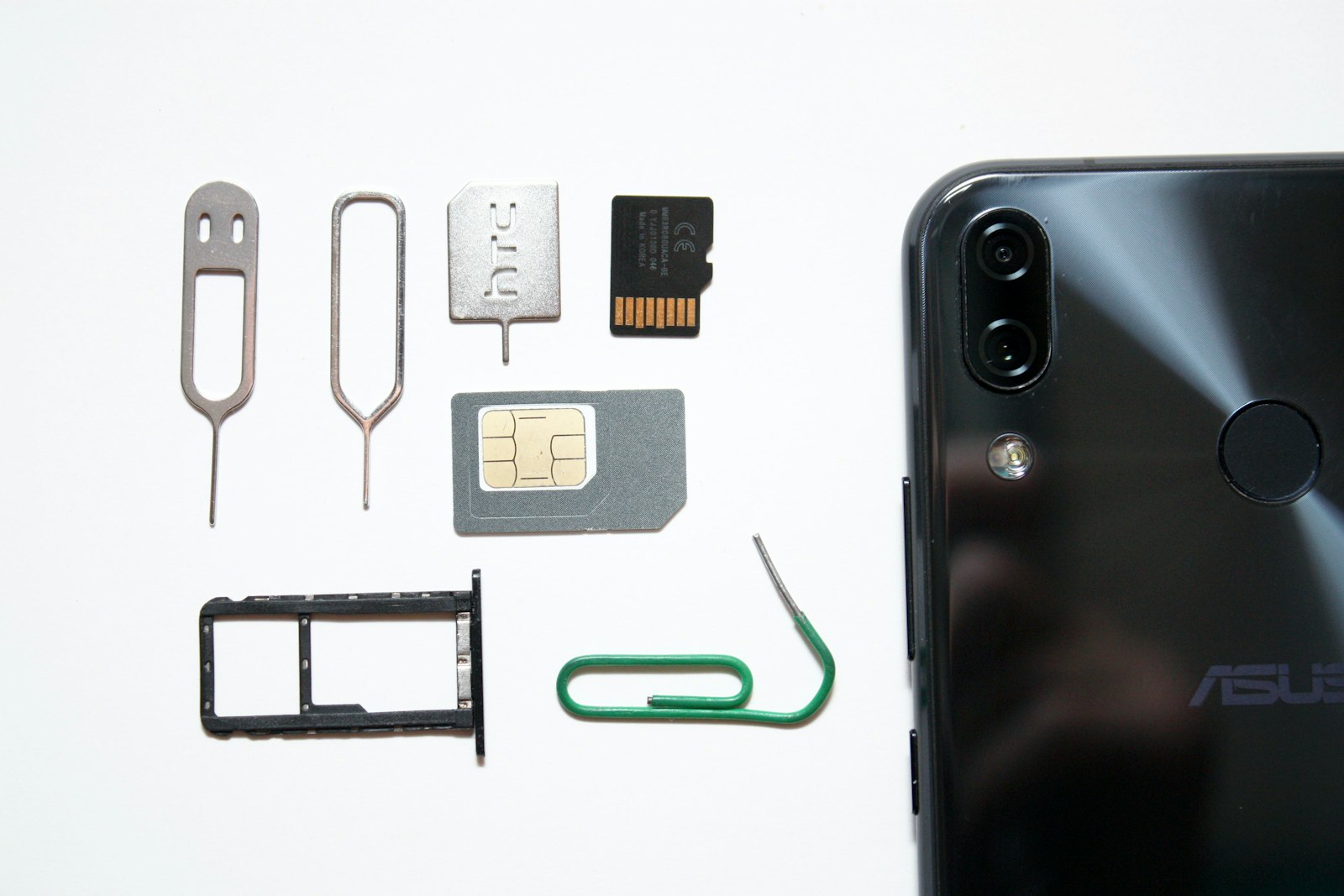
If your phone is a few years old or newer, it almost certainly supports eSIM — and for a short trip, it’s the easier of the two. You buy a data plan from an app or website before you fly, install it over home WiFi, and switch it on the moment the plane’s wheels touch down at Phú Quốc International Airport (VKG). No counter, no queue, no passport scan.
A physical SIM still makes sense if your phone is eSIM-only-unfriendly, you want a bigger data allowance than the traveller eSIM plans offer, or you’d rather sort it out in person with someone who speaks the language. Airport counters sell short-stay data packs, and Dương Đông town has proper phone shops if the airport queue is long.
Coverage on the south island: which carrier to pick
Phú Quốc has three networks worth knowing, and they’re not equal everywhere on the island.
Good coverage means you can answer an email from a café table instead of hunting for the WiFi password.
Mobifone — best for Bãi Trường and the south
Mobifone covers the places most guests actually go: Bãi Trường, Dương Đông town, the Hòn Thơm cable car, and Sao Beach. Speeds are quick, including 5G in the busier southern stretch, and it’s usually the cheaper of the two main networks per gigabyte. For a stay based around Sonasea and the south island, this is the safe default.
Viettel — widest reach, best for exploring further
Viettel has the strongest overall signal on the island, including patchier spots like the northern national park roads and Hòn Thơm. If your plan includes a day trip north or a full loop of the island by scooter, Viettel is the more forgiving choice.
Vinaphone — a reasonable third option
Vinaphone works fine around the main towns but has less consistent coverage than the other two once you’re off the main roads. Fine as a backup, not the first pick.
The 2026 rule that catches people out: SIM registration
Vietnam requires every physical SIM card to be registered to the buyer — a passport scan and a live photo, taken at the point of sale. This has been tightened since 2026, and it’s enforced: a SIM activated without proper registration can be cut off within a day or two, sometimes faster. It’s a minute of paperwork at a real counter, so it’s not worth cutting corners over.
The practical upshot: buy from the official airport counter in arrivals, or a proper phone shop in Dương Đông — never from a street vendor who tells you registration “isn’t needed.” If they’re skipping the passport scan, the SIM is a ticking clock.
An eSIM from an international provider usually sidesteps this entirely — the registration happens on the provider’s end when you buy it, so there’s no counter and no scan required on arrival.
Where to buy: airport counter, town shop, or online before you fly
- Airport counter (arrivals hall, VKG): the fastest option straight off the plane. Expect to hand over your passport for the registration and pick a short-stay data pack. Slightly pricier than town, but you’re online in five minutes.
- Phone shops in Dương Đông: cheaper, and the staff will usually set the SIM up in your phone for you. Worth the short Grab ride if you’re not in a rush — see our airport-to-Sonasea guide for transfer options into town or straight to Bãi Trường.
- eSIM apps bought before you fly: the least effort of the three. Install at home, verify you have a few days of data before your flight, and it’s live the second you land — genuinely useful if you’re arriving late at night when counters are quieter and queues feel longer than they should.
Prices move around, so treat these as ballpark rather than gospel: a short-stay physical SIM data pack tends to sit in the low hundreds of thousands of đồng, and eSIM traveller plans are usually priced by gigabyte for the length of the trip. Worth checking the current rate before you commit either way.
Staying connected once you’re checked in
Once you’re through the Sonasea gate, connectivity stops being a thing you have to manage. Luna Oriental — 18 rooms two minutes from the sand on Bãi Trường — has free WiFi through the rooms, reception, and the pool area, steady enough for a video call or an evening of streaming after a day on the beach. Guests exploring further afield by scooter still lean on their SIM for maps; see our scooter rental guide if that’s part of the plan.
If you’re still deciding on a room, have a look at what’s available or send a note via contact before you fly — SIM, eSIM, or anything else about getting settled on Phú Quốc, we’re happy to answer before you land. Booking direct also saves the 15–20% an OTA usually takes, on top of not having to search for signal to find our page again.
Photos: hero — Andrey Matveev on Unsplash; in-body — Jerome on Unsplash.
Frequently asked questions
Do I need a Vietnamese SIM card in Phú Quốc?
Not strictly — most hotels and cafés have WiFi — but a local SIM or eSIM makes Grab, maps, and translation apps far less stressful. For a week on the island, it's worth the small cost.
Is eSIM or a physical SIM card better for Phú Quốc?
For a short trip, eSIM is simpler: install the app before you fly, scan the QR code on WiFi at home, and it activates the moment you land — no counter, no passport scan. A physical SIM is a fair backup if your phone doesn't support eSIM or you want a bigger data pack.
Which network has the best signal in Bãi Trường and Sonasea?
Mobifone covers the areas most visitors actually use — Bãi Trường, Dương Đông, and the Hòn Thơm cable car — with fast, reliable data. Viettel has the widest reach overall, including the quieter northern half of the island, if you're planning to explore beyond the south.
What is the 2026 SIM registration rule in Vietnam?
Every physical SIM bought in Vietnam must be registered to the buyer with a passport scan and a live photo at the point of sale. It only takes a minute at an official counter, but a SIM sold without it can be cut off within a day or two — so buy from an airport counter or a proper phone shop, not a street stall.
Does Luna Oriental have WiFi?
Yes, free WiFi throughout the property — rooms, reception, and the pool area. It's steady enough for calls and streaming, so a data SIM is really just for the hours you're out exploring.