

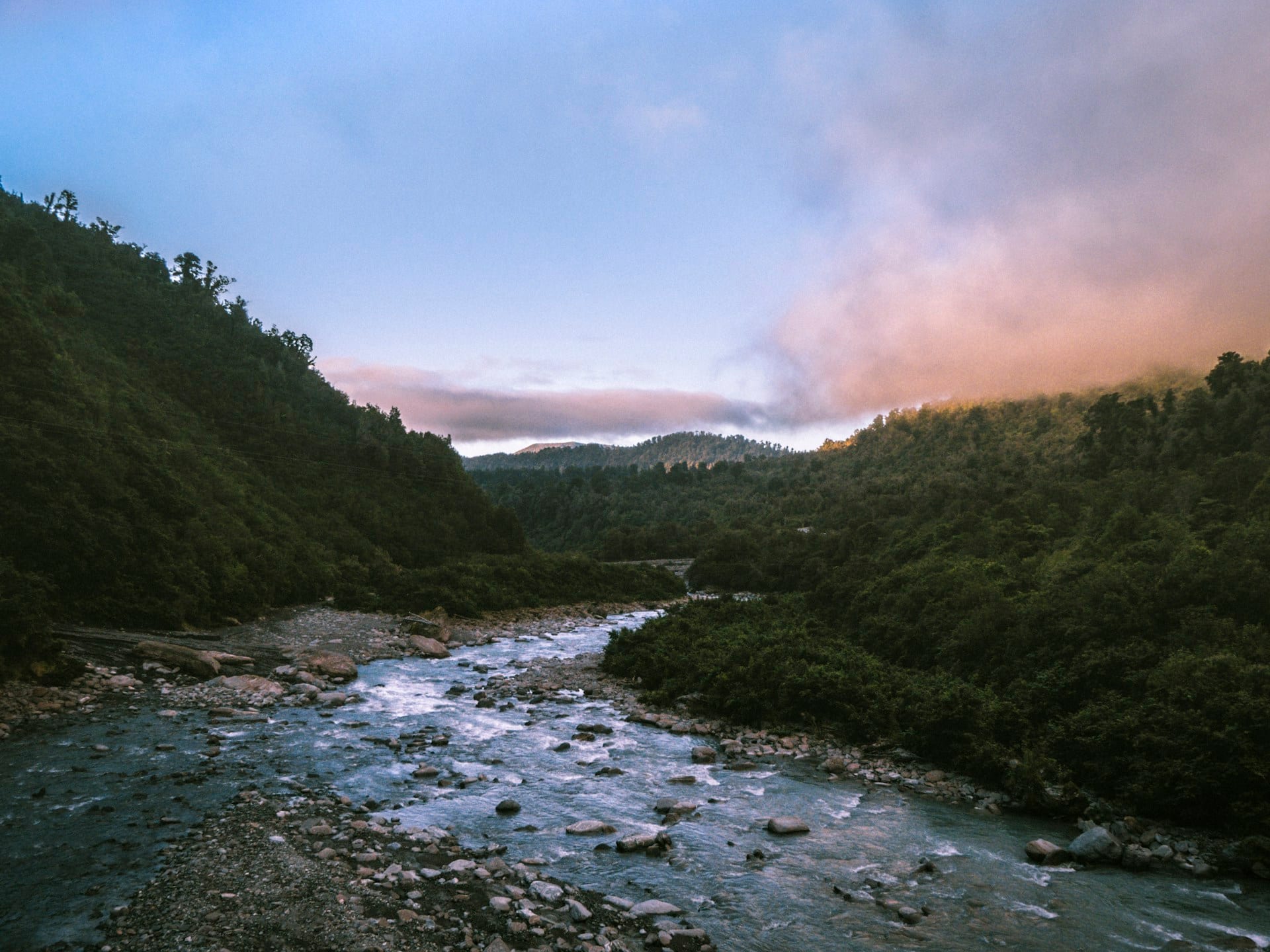
Suối Đá Bàn Phú Quốc has clear natural swimming pools deep in the national park forest. Guide to the trek, best season, and the drive from Bãi Trường.
Suối Đá Bàn Phú Quốc: Natural Pools, Trekking & How to Get There
Suối Đá Bàn Phú Quốc doesn’t get the same visitor numbers as the beaches or the cable car, and that’s largely the point. A series of clear natural rock pools fed by streams from inside Phú Quốc National Park, set along a forest trail that takes the better part of a morning to walk at a comfortable pace. The water is clean, the swimming holes are deep enough to matter, and on a weekday in the dry season you might have a pool to yourself.
It’s a different half-day than anything on the western coast — more physical, cooler, and genuinely quiet.
What is Suối Đá Bàn — and why it’s different from Suối Tranh
Both are freshwater sites in the island’s interior, but they’re distinct experiences. Suối Tranh is a managed park about 25 km north of Bãi Trường — a short paved path to a waterfall that’s beautiful in the rainy months but thin in the dry season.
Suối Đá Bàn Phú Quốc is further north in Cửa Dương commune, inside a quieter stretch of the national park. The trail is longer, the terrain is uneven, and the main feature isn’t a single fall but a chain of natural rock bowls — the name “đá bàn” means something like “flat rocks,” which describes the broad stone platforms the stream runs over between the pools. You walk through forest, climb over boulders, wade sections of stream. It takes more from you than Suối Tranh, but gives more back.
The area has a small entrance and a basic picnic area. It’s developed enough to be safe and accessible; wild enough that it still feels like an inland detour rather than a tourist attraction.
The natural pools and swimming at Suối Đá Bàn Phú Quốc
The pools vary in depth and character depending on where you stop along the trail. The deepest are upstream — plan to walk in 30 to 40 minutes before you reach the most photogenic sections. Shorter walkers (or families with young children) can find shallower pools closer to the entrance that still offer a pleasant wade.
The water is noticeably cold compared to the sea — fed by the forest canopy that keeps the pools shaded through the morning. By early afternoon the sun hits some of the lower pools directly, but the upstream sections stay cooler longer.
Swimming is best from around May to October, when the rains have filled the stream and the pools are deep. The dry season (November to April) still offers pleasant wading and the rock formations to look at, but some of the upper pools reduce significantly. Unlike Suối Tranh, Suối Đá Bàn holds enough water that even a dry-season visit is worthwhile — the landscape is different rather than disappointing.
Bring water shoes with grip. The flat rocks underfoot look stable and are mostly not — mossy, tilted, and deceptively slick where the water runs across them. Flip-flops will come off in the stream.
Trekking and camping at Suối Đá Bàn
The trail follows the stream rather than branching away from it. Most visitors walk in an hour or so, swim, eat lunch on the flat rocks, and walk back out — a half-day in total. Camping is permitted in a designated area near the entrance; a small group of tents can set up overnight on weekends, though permits and logistics are best arranged through one of the local tour operators in Dương Đông rather than improvised.
The broader national park surrounds the site, and there are longer trekking routes into the forest from here for those who want more. These require more planning and are best done with a guide — the trail markings are inconsistent and the terrain inside the park is genuinely remote.
For most visitors, the round-trip walk to the upper pools plus swimming time is satisfying without additional trekking. Three to four hours total covers the site well.
Getting to Suối Đá Bàn Phú Quốc from Bãi Trường
From SS27 Sonasea on Bãi Trường, the drive north takes about 50 minutes — roughly 35 km, first through Dương Đông town and then north along the road toward Cửa Dương. Signs for Suối Đá Bàn appear on the main road; the final 4 km of access road is narrow and unpaved in sections.
A rented motorbike is the most practical option for this trip — flexible, able to handle the narrow road, and cheap for a day. Grab can cover the drive to Cửa Dương but return options from the site itself can be thin. Ask at Luna’s front desk about transport arrangements — we can suggest local car hire options that make the return less unpredictable.
The site is open daily. A small entrance fee applies; exact pricing varies, so bring cash.
When to go and what to bring
Best months for swimming: May through October (rainy season), when the pools are full and the forest is densest.
Best months for comfortable trekking: November through April (dry season), when the paths are drier underfoot and the air is cooler. The pools are lower but still swimmable in the middle of this period.
Avoid the first two or three days after a major rainfall — the stream can surge quickly after heavy downpours and the rocks become more dangerous than usual.
What to bring:
- Water shoes (closed-toe, rubber sole)
- Plenty of drinking water — there’s nothing to buy once you’re on the trail
- Sunscreen and a hat for the walk in and out (the path isn’t entirely shaded)
- A dry bag or waterproof case for your phone
- Cash for the entrance fee and any snacks at the small stalls near the entrance
Leave by noon if you’re heading back to the beach in the afternoon. The midday drive south is hotter, and the trail itself is most pleasant in the early morning light.
Photos: hero — Tyler Lastovich on Unsplash.
Frequently asked questions
Is Suối Đá Bàn safe to swim in?
Generally yes — the pools are calm and clear in dry season and early rainy season. Avoid swimming immediately after heavy rain when currents can run fast and visibility drops. The rocks can be slippery in any season; wear closed water shoes.
What's the difference between Suối Đá Bàn and Suối Tranh Phú Quốc?
Suối Tranh is a developed waterfall park about 25 km north of Bãi Trường — short path, one main cascade, best in the wet months. Suối Đá Bàn is further north in the national park, with a longer trail and a series of natural rock pools. Swimming is better here; scenery is wilder.
How do I get to Suối Đá Bàn Phú Quốc from Bãi Trường?
About 35 km north — 50 minutes by motorbike or car. Head through Dương Đông then follow signs toward Cửa Dương; the site is signposted. The last section of road is narrow and not ideal for large vehicles. Renting a motorbike for the day is the most flexible option.